Tr. A. Hlinku 2, Nitra
Price not listed


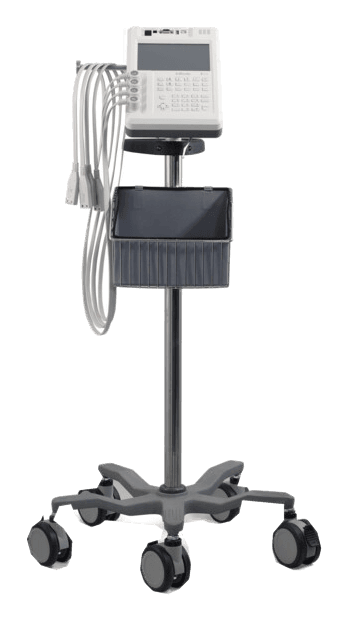
The S10 measures composition and body water without requiring you to stand on a scale. Its electrodes attach separately, allowing lying or seated testing. You will mainly encounter it in clinical care and rehabilitation.
If standing safely and comfortably on a conventional InBody is difficult, the S10 offers another way to test. Electrodes attach to the hands and feet, and testing can take place in bed or while seated. Applications include following water and nutrition in clinical care. Results are always assessed in the context of your condition and testing circumstances. The S10 is a separate portable analyser, rather than a scale. Weight obtained separately and height are entered for the test. It is a currently available clinical model.
TBW means total body water, ICW water inside cells and ECW water outside them. Their changes add context to weight and lean mass. In clinical care, results are read alongside other examinations and treatment progress; they are not standalone instructions for fluid intake or dialysis adjustments.
The S10 separates the arms, legs and trunk and also provides segmental ECW/TBW. Regional results add detail to the overall ratio. Health conditions, posture and electrode placement can affect side-to-side differences; a value alone does not establish the cause.
The manual reports whole-body phase angle at 50 kHz using the right side of the body. Segmental phase angles may appear at 5, 50 and 250 kHz. Tracking requires matching frequency, region, posture and electrode type. The number alone does not determine cell health or confirm a diagnosis.
Fat, skeletal muscle and lean-mass estimates add context to water results. A substantial water change can also move the lean-mass estimate. Muscle quantity is not a strength measurement; a professional may add handgrip or another functional test when muscle function matters.
The newer Czech manual lists visceral fat level, whereas the older catalogue also describes area. Read the value actually supplied on your report: a level is not interchangeable with cm². Both are estimates and do not replace abdominal imaging.
Tactile or adhesive electrodes record impedance in the arms, legs and trunk at six frequencies. The S10 also measures reactance at three frequencies. Electrical values and entered weight are used to estimate water and composition. The selected posture and accurate electrode placement matter when comparing later tests.
Follow the location’s instructions for the selected posture. The manual recommends remaining in it for 10–15 minutes before testing to allow water distribution to settle. For repeat tests, keep posture, electrode type and timing relative to meals, activity or dialysis similar. Weight and height must be entered correctly. Do not alter fluid intake or treatment for the test without your care team’s agreement. BIA is not performed with a pacemaker or another active implant.
Accurately entered weight and height are part of the test. Incorrect inputs can affect derived results. Lying, seated and standing results should not automatically be treated as interchangeable. Keep posture and procedure consistent for later tests. Hydration and substantial water changes affect composition estimates. A clinical report needs professional assessment. The S10 itself does not measure blood pressure or muscle strength. Those values come from separate tests.
Unlike the 720 or 970S, the S10 allows testing without standing on a weighing platform, but weight must be obtained separately. The BWA series uses a different clamp-electrode design and offers additional specialist reports. Choice depends on mobility, the question the test needs to answer and the location’s procedure; more parameters alone do not guarantee a more useful consultation.
Locations with a documented device. Each location detail describes its service and conditions.
Tr. A. Hlinku 2, Nitra
No. Weight is obtained separately and entered with height. Incorrect inputs can affect estimates.
Yes, with the appropriate procedure and electrodes. Keep posture and preparation consistent for follow-up.